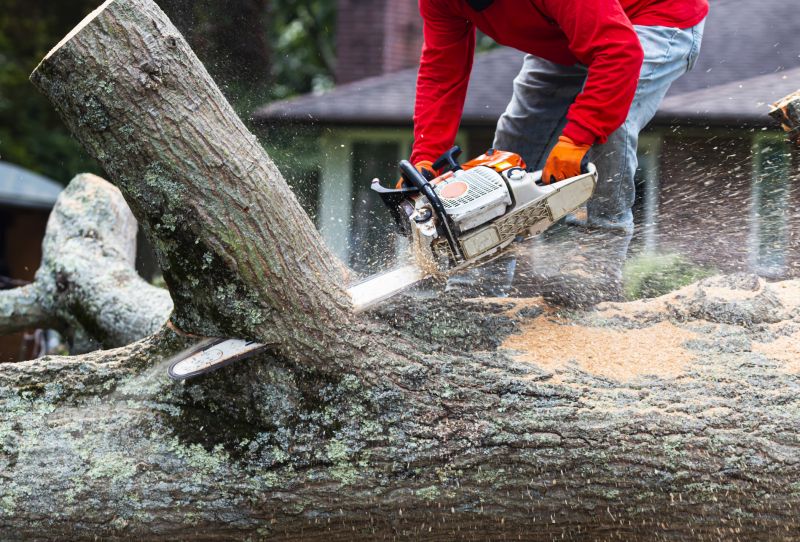
Deadwood Removal in San Jose, CA
Deadwood removal services involve the safe and efficient removal of dead or hazardous trees and branches from residential properties. This type of project typically includes removing broken, diseased, or dead trees that pose risks to structures, landscaping, or safety. Property owners often seek these services when dealing with trees that have become unstable, overgrown, or are obstructing views, utility lines, or outdoor spaces, ensuring that their property remains safe and visually appealing.
Before requesting deadwood removal, homeowners should consider the size and location of the trees or branches involved, as well as any potential impacts on nearby structures or landscaping. It is also helpful to understand whether the removal requires any permits or special considerations in the area. Clear communication about the scope of work and specific concerns can help ensure the project is completed safely and effectively, contributing to the overall health and safety of the property.
Many property owners in San Jose, CA look into Deadwood Removal for repairs, replacements, upgrades, and appearance-related improvements.
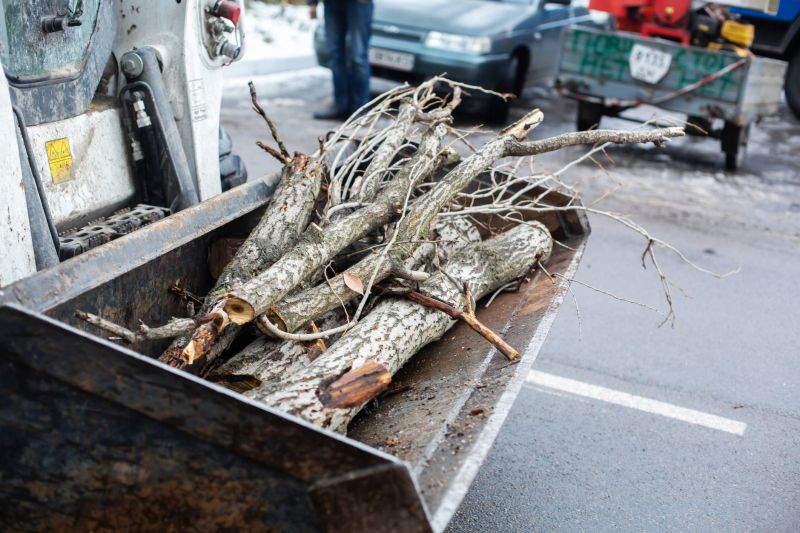
Types Of Deadwood Removed
Deadwood removal services handle hazardous and decayed branches from trees to improve safety and health.
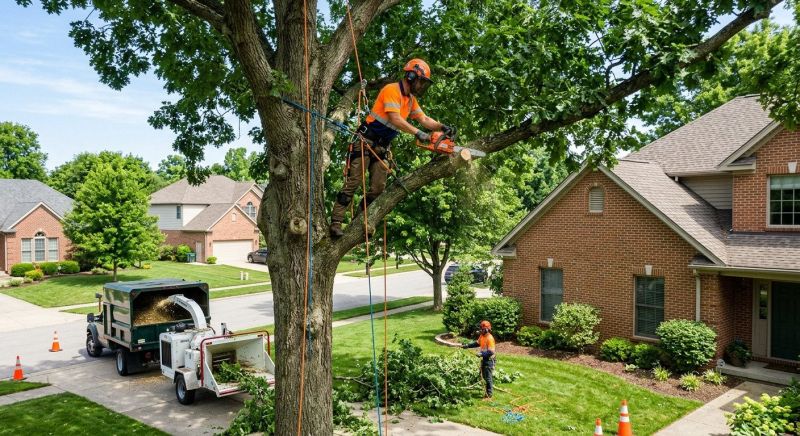
Benefits Of Deadwood Removal
Removing deadwood helps prevent falling limbs and enhances the appearance of trees on residential and commercial properties.
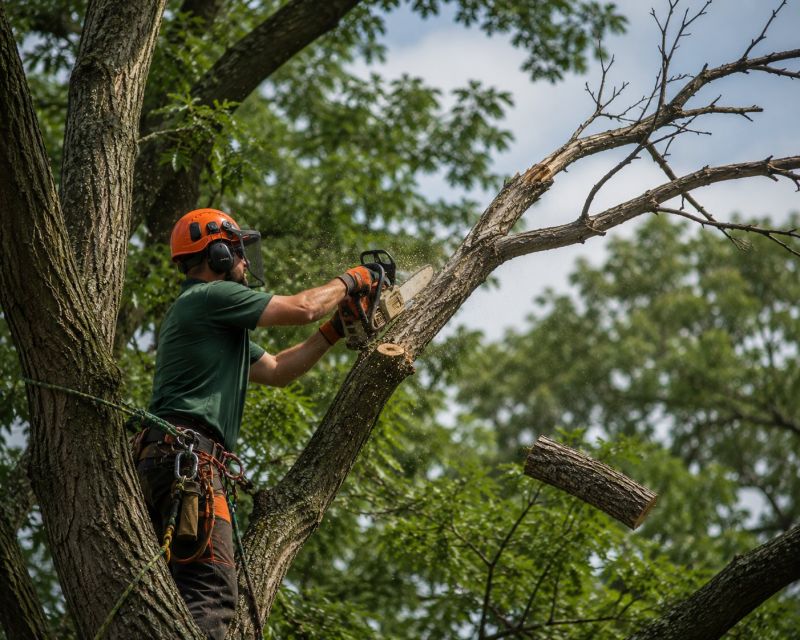
Common Deadwood Situations
Deadwood removal is often requested after storms, for tree maintenance, or to prepare for landscaping projects in san jose, ca.
Deadwood Removal in San Jose, CA
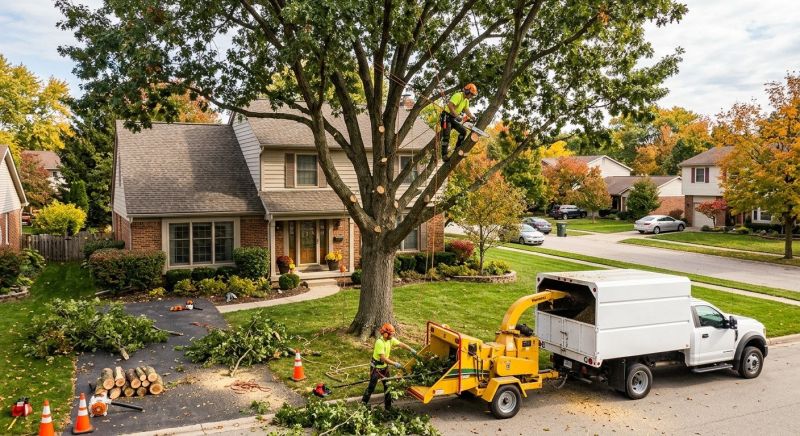
Deadwood removal services involve the safe and efficient removal of dead or hazardous trees and branches from residential properties. This type of project typically includes removing broken, diseased, or dead trees that pose risks to structures, landscaping, or safety. Property owners often seek these services when dealing with trees that have become unstable, overgrown, or are obstructing views, utility lines, or outdoor spaces, ensuring that their property remains safe and visually appealing.
Before requesting deadwood removal, homeowners should consider the size and location of the trees or branches involved, as well as any potential impacts on nearby structures or landscaping. It is also helpful to understand whether the removal requires any permits or special considerations in the area. Clear communication about the scope of work and specific concerns can help ensure the project is completed safely and effectively, contributing to the overall health and safety of the property.
Many property owners in San Jose, CA look into Deadwood Removal for repairs, replacements, upgrades, and appearance-related improvements.
Common Deadwood Removal Jobs
Tree stump removal - eliminates unsightly and hazardous tree stumps from yards and landscapes.
Brush clearing - removes overgrown shrubs, bushes, and dense vegetation for a cleaner appearance.
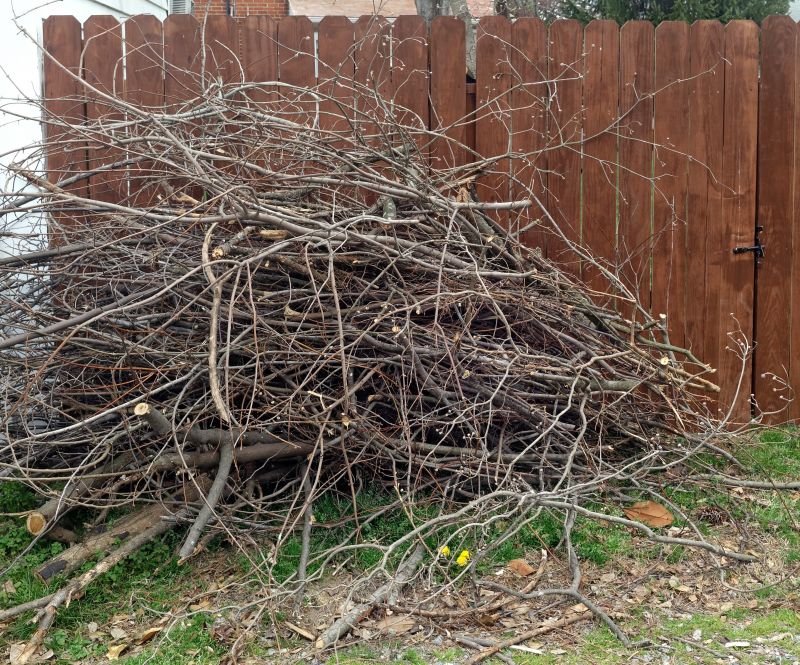
Debris removal - clears away fallen branches, logs, and debris after storms or trimming projects.
Old fence removal - takes out outdated or damaged fencing to improve property safety and aesthetics.
Land clearing - prepares land for new construction, landscaping, or gardening projects.
Roots and underground removal - extracts invasive roots that can cause damage to structures and pathways.
Deadwood Removal Questions
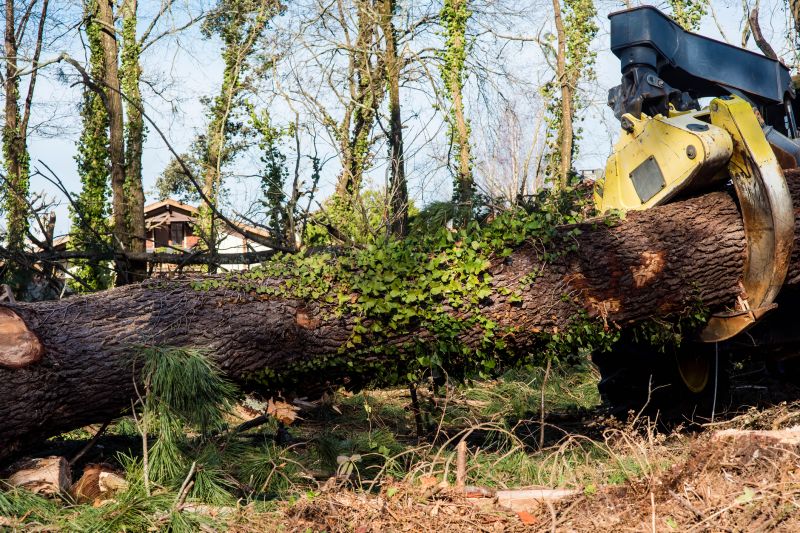
What types of dead trees can be removed? Dead or hazardous trees of any size and species can be safely removed to protect property and safety.
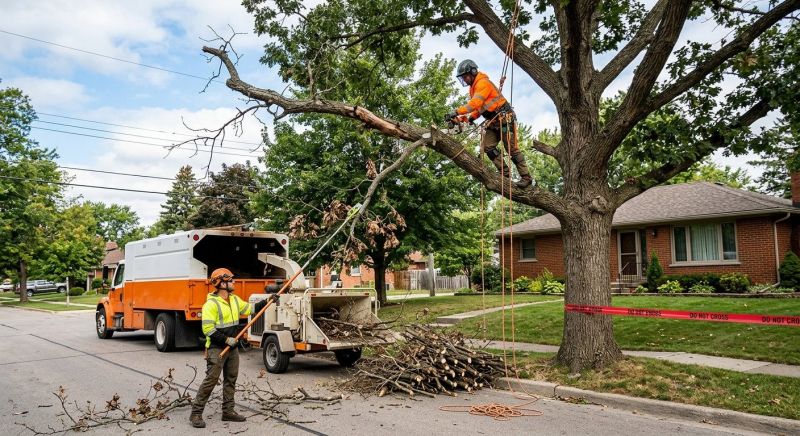
Is dead tree removal necessary for safety? Yes, removing dead trees reduces the risk of falling branches or trees causing damage during storms.
What should property owners consider before removal? It's important to assess the tree's location, size, and potential impact on surrounding structures or landscaping.
Does dead tree removal include stump grinding? Stump grinding is often available as part of the removal process to clear the area completely.
Request Deadwood Removal in San Jose, CA
Use the quote form on this page to share the basics of your project and request more information for the type of work you need.